

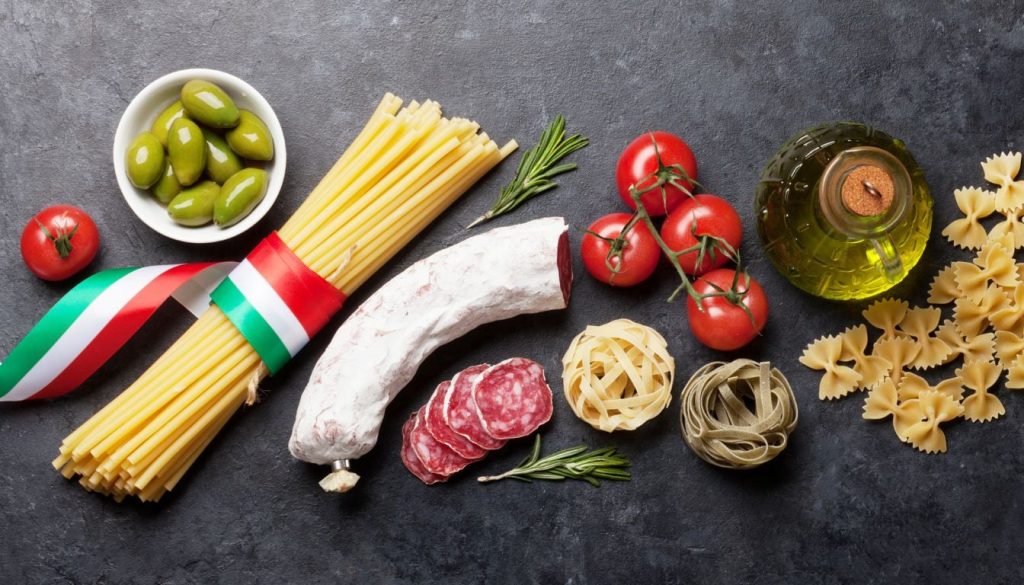
In the latest chapter of global trade tensions, the United States has announced a sweeping new tariff policy under the direction of former president and 2024 re-elected leader, Donald J. Trump. Among the most heavily impacted: European exports, with a particular focus on Italian agricultural and gastronomic products. These include, most notably, icons of Italian excellence such as Parmigiano Reggiano, prosciutto, olive oil, and traditional wines—products that, for decades, have embodied the very concept of Made in Italy.
The new tariff structure imposes a 20% increase on goods imported from the European Union, part of a broader policy aimed at what the administration calls “restoring trade balance and protecting American producers.” While the political motivations may be debated, the economic consequences for Italian exporters—and for American consumers who value authenticity—are already becoming evident.
A Direct Blow to Italian Artisanship
Italy’s food and wine sector is not just a commercial success story; it is a cultural legacy. Products like Parmigiano Reggiano are protected by strict geographical and production standards, handed down through generations of artisans. Their uniqueness lies not only in taste but in tradition.
Under the new U.S. tariffs, the price of a wheel of authentic Parmigiano Reggiano could rise by $50 to $70 on American shelves. For high-end consumers, this may be a manageable increase. But for restaurants, importers, and middle-class buyers, the added cost risks making these products less accessible, and in turn, less competitive compared to domestic or imitation alternatives.
The same applies to extra virgin olive oil, cured meats, and specialty wines—all categories where quality depends on origin, but where price now becomes a growing barrier.


A Political Decision with Cultural Consequences
While tariffs are fundamentally economic tools, their ripple effects are deeply cultural. In the United States, Italian products are more than imports—they are symbols of taste, elegance, and lifestyle. From fine dining in New York to boutique grocery stores in Los Angeles, Italy’s presence is not marginal—it is celebrated.
The current measures, however, may shift that dynamic. Many restaurateurs are concerned that rising import costs will lead to menu changes and quality compromises, distancing consumers from the authentic Italian experience. In this sense, the impact goes beyond trade—it touches the emotional and symbolic connection that so many Americans have with Italian food and culture.
What It Means for Travelers and Tastemakers
At Fattori Travel Experiences, we don’t just organize travel—we promote authentic cultural encounters. And when we talk about Italy, we are talking about a country where food is not an accessory to travel, but a central part of its identity.
These new developments may push more travelers to seek Italian excellence at its source, reinforcing the value of visiting the regions where these products are made: walking through the hills of Emilia-Romagna, tasting freshly aged Parmigiano in a local caseificio, or enjoying olive oil straight from the press in the Umbrian countryside.
Perhaps unintentionally, these tariffs are reminding us of something essential: that some experiences—especially when it comes to food—are best lived in place, rather than imported.
Have you ever tasted Parmigiano Reggiano in Italy? Did you notice the difference? Share your thoughts or stories in the comments—we’d love to know how you’ve experienced Italy through its flavors.